
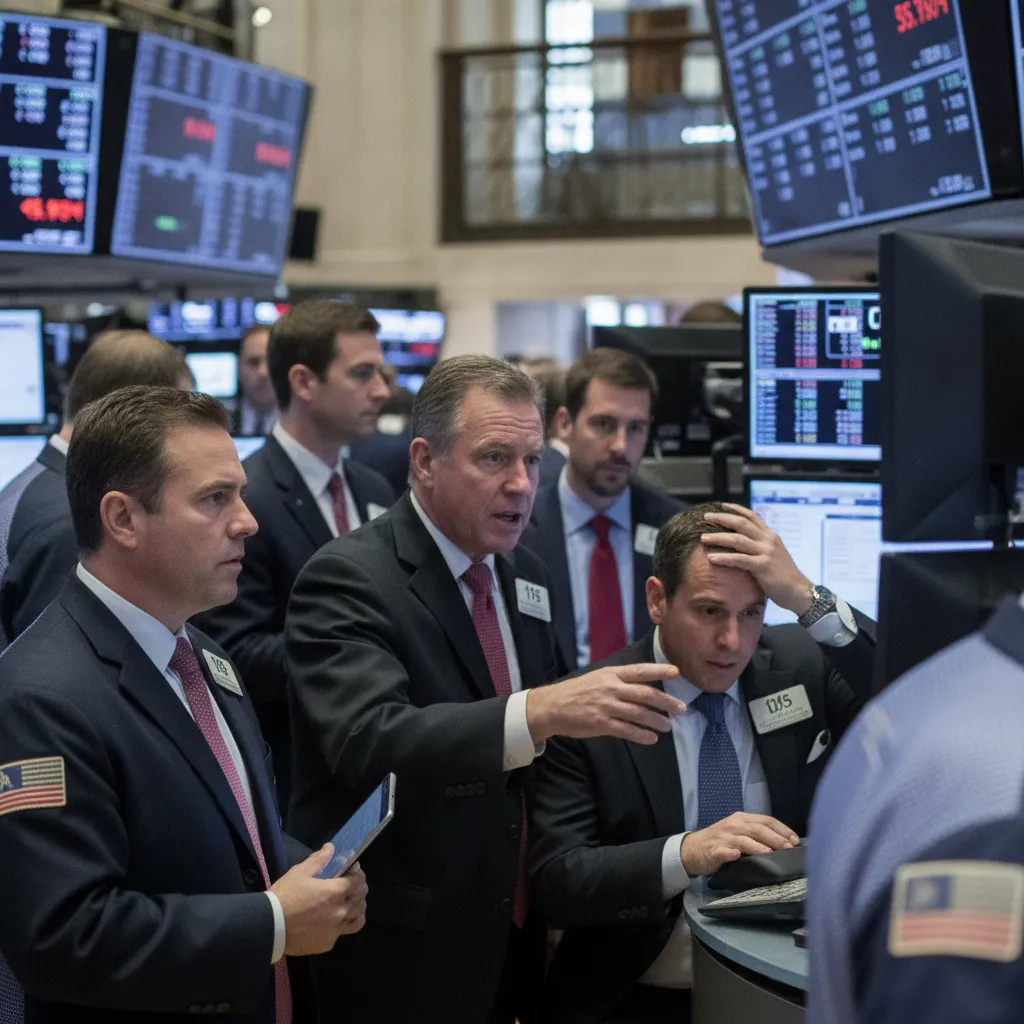
Wall Street is feeling a bit jittery after a streak of record highs. Recent dips in the S&P 500 and a sharper slide in the Nasdaq suggest that investors are starting to question whether the massive surge in artificial intelligence spending is sustainable. With rising bond yields hiking up borrowing costs, there is a growing fear that the tech giants fueling the AI revolution might tap the brakes, potentially triggering a wider market correction.
While it remains unclear if this current volatility is just a temporary hiccup or the prelude to a crash, legendary investor Warren Buffett offers a timeless perspective on how to handle such uncertainty. Looking back at his warnings during the late nineties dot-com boom, Buffett noted that an industry’s ability to change the world does not automatically guarantee that its stocks are good investments. He famously pointed out that while airplanes revolutionized travel, hundreds of airlines still went bankrupt because they lacked stable business models.
The lesson for today’s AI gold rush is simple but critical: don’t confuse technological progress with financial viability. Just as many internet startups vanished when their bubbles burst in 2000, companies riding purely on hype without real profit margins may crumble during a downturn. However, history also shows that survivors like Amazon and Microsoft didn’t just endure those crashes—they used them as stepping stones to become global titans.
According to Buffett, the smartest move an investor can make isn’t trying to predict when the market will bottom out, but focusing on the durability of a company’s competitive advantage. By seeking out businesses with wide economic moats—those with unique strengths that competitors cannot easily replicate—investors can build portfolios capable of weathering any storm. Ultimately, prioritizing high-quality assets over speculative trends is the most reliable way to ensure long-term survival and growth regardless of where the index goes next.