It sounds like a windfall from a modern fairy tale. Elon Musk recently announced plans to grant every child under eighteen in the United States a share of SpaceX, while other tech titans like Gwynne Shotwell and the founders of Anthropic are pledging similar distributions of equity. On the surface, it looks like an unprecedented act of corporate generosity aimed at democratizing wealth and introducing the next generation to the world of investing. However, beneath the philanthropic veneer lies a complex set of tax advantages that make these gifts far more beneficial for the givers than the receivers.
The timing of this surge in generosity coincides with recent changes to U.S. Treasury rules regarding Trump Accounts. Donors can now contribute stocks that recipients must hold for at least five years, allowing billionaires to deduct the full market value of the shares from their taxes without ever paying capital gains on the asset’s growth. Essentially, it is significantly cheaper for a founder to dump stock into these accounts than it is to sell those shares, pay the requisite taxes, and donate cash. While children receive a slice of a high flying company, the billionaires avoid huge tax bills and maintain a level of influence over their legacy.
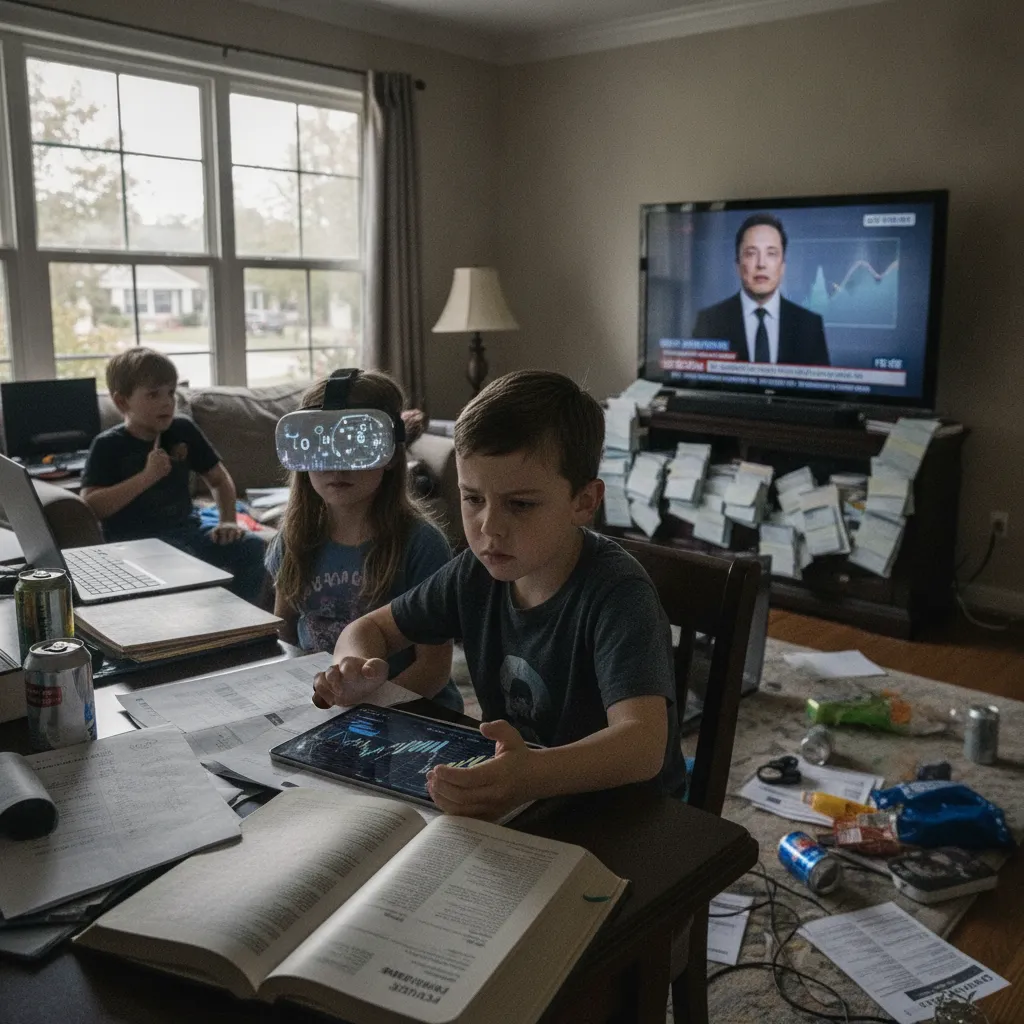
There are also practical risks for parents whose children suddenly become locked-in shareholders. Unlike diversified index funds, individual stocks are notoriously volatile. Because of the mandatory five year holding period, families cannot liquidate these assets even if the company begins to crater or faces legal turmoil. Furthermore, some executives appear to be using these grants as strategic PR tools. For instance, Shotwell indicated she would prioritize shares for residents near SpaceX’s Texas headquarters, an area currently fraught with local lawsuits and community protests against the company’s operations.
Ultimately, this trend raises questions about whether we are witnessing true philanthropy or a sophisticated form of corporate branding. By turning millions of citizens into stakeholders, companies can build public goodwill and shield themselves from regulation ahead of massive events like initial public offerings. While receiving free stock feels like a win for most families, this model replaces traditional charitable giving with forced ownership in private empires managed by men and women who rarely relinquish actual control over how their fortunes are used for the public good.