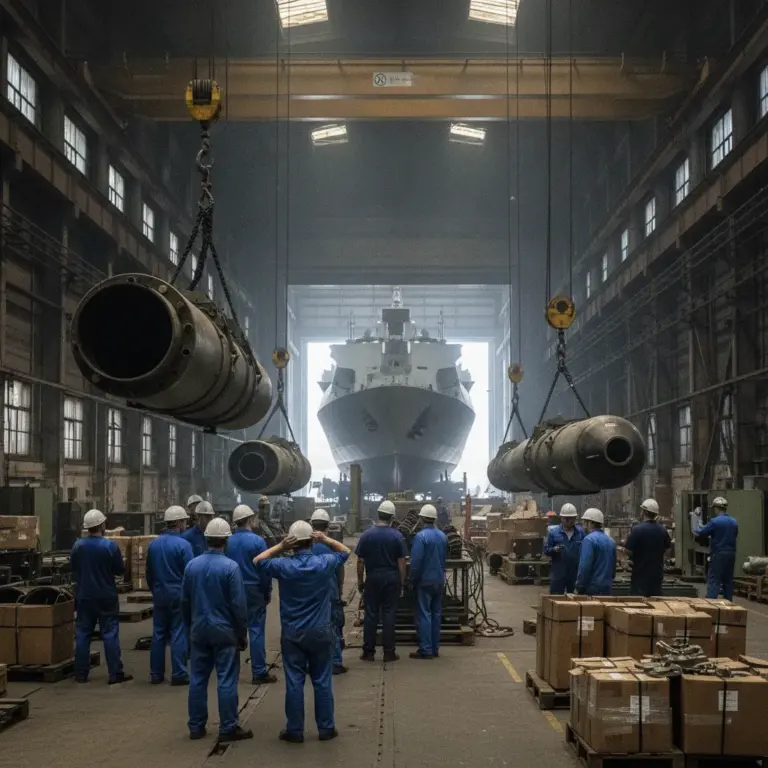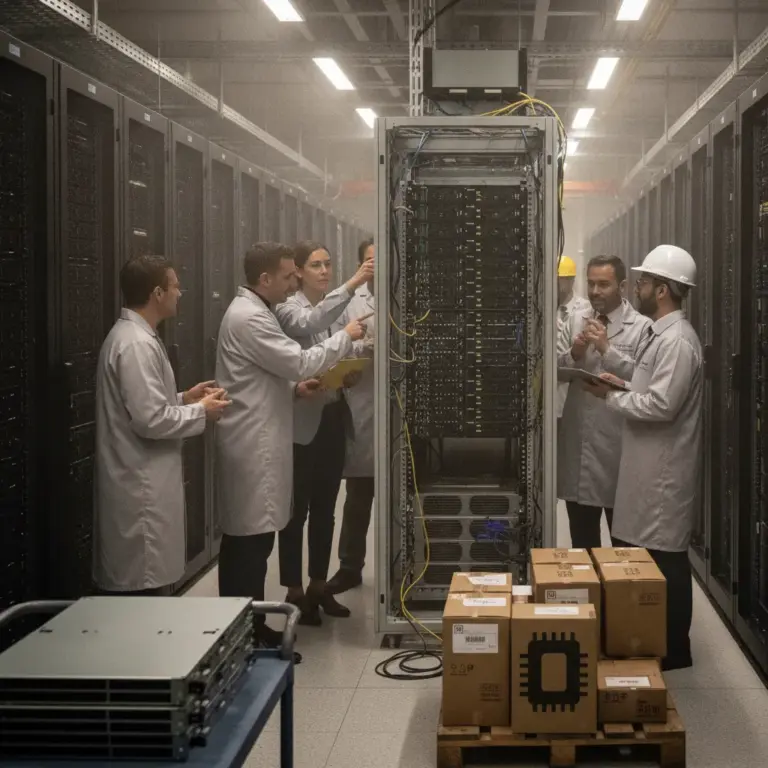
For decades, China has quietly built an iron grip on the global supply of critical minerals, leaving the West in a precarious position. From semiconductors and defense systems to electric vehicle batteries, the modern economy runs on materials that Beijing can effectively weaponize through periodic export controls. While Washington and various European capitals have recently woken up to this danger, their current strategy focuses heavily on building refineries and processing plants. While improving midstream capacity is a necessary step toward independence, experts warn that it is merely a temporary bandage if there are no raw materials to feed those factories.
The real challenge lies in the grueling timeline of mining. Opening a new mine typically takes around twenty years, meaning any security sought for the 2040s must be invested today. Japan provides a sobering cautionary tale here; despite fifteen years of aggressive effort to decouple from Chinese rare earths, they have only managed to reduce their dependence from ninety percent down to roughly sixty five percent. For the United States and its G7 allies, simply refining existing ore isn’t enough. They need a steady pipeline of new discoveries transformed into working mines, yet they are failing at the most critical juncture of development.
This failure happens in what industry insiders call the valley of death. Western firms actually lead the world in early stage mineral exploration, but once a promising deposit is found, funding tends to dry up. Small exploration companies known as juniors can find seed money for prospecting, but they struggle to afford the tens of millions required for feasibility studies and permits. Commercial banks view these projects as too risky without collateral, and giant mining corporations are too beholden to shareholders demanding immediate returns to gamble on long term developments.
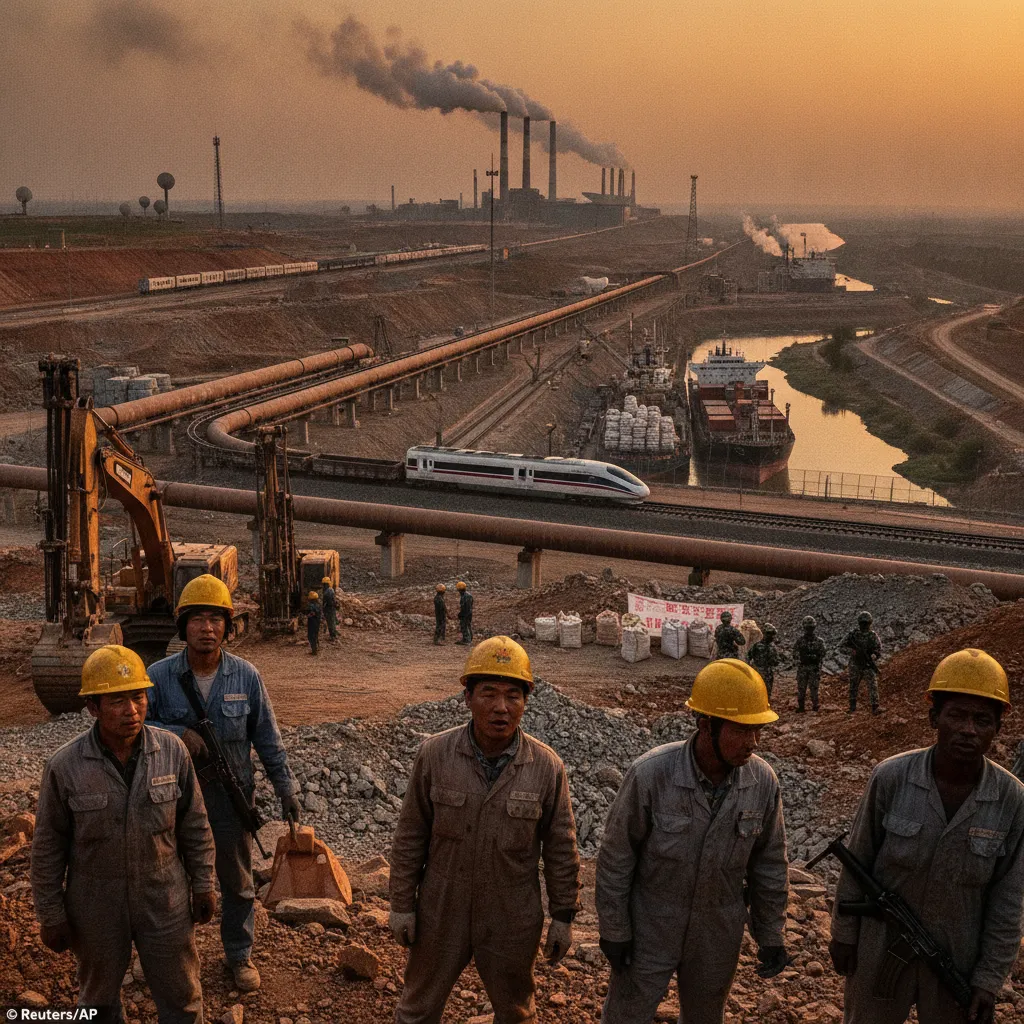
Because Western capital disappears during this middle phase, Chinese firms have stepped in as the lender of last resort. By providing equity and infrastructure deals in mineral rich nations via initiatives like the Belt and Road, Beijing ensures that it captures the rewards of Western discovery. Essentially, China maintains its dominance not necessarily by being better at finding minerals, but by being the only entity willing to pay for them while they are still stuck in the valley of death. Until democratic allies embrace similar long term risk tolerance, they remain dependent on a competitor who views resource control as a primary tool of state power.