
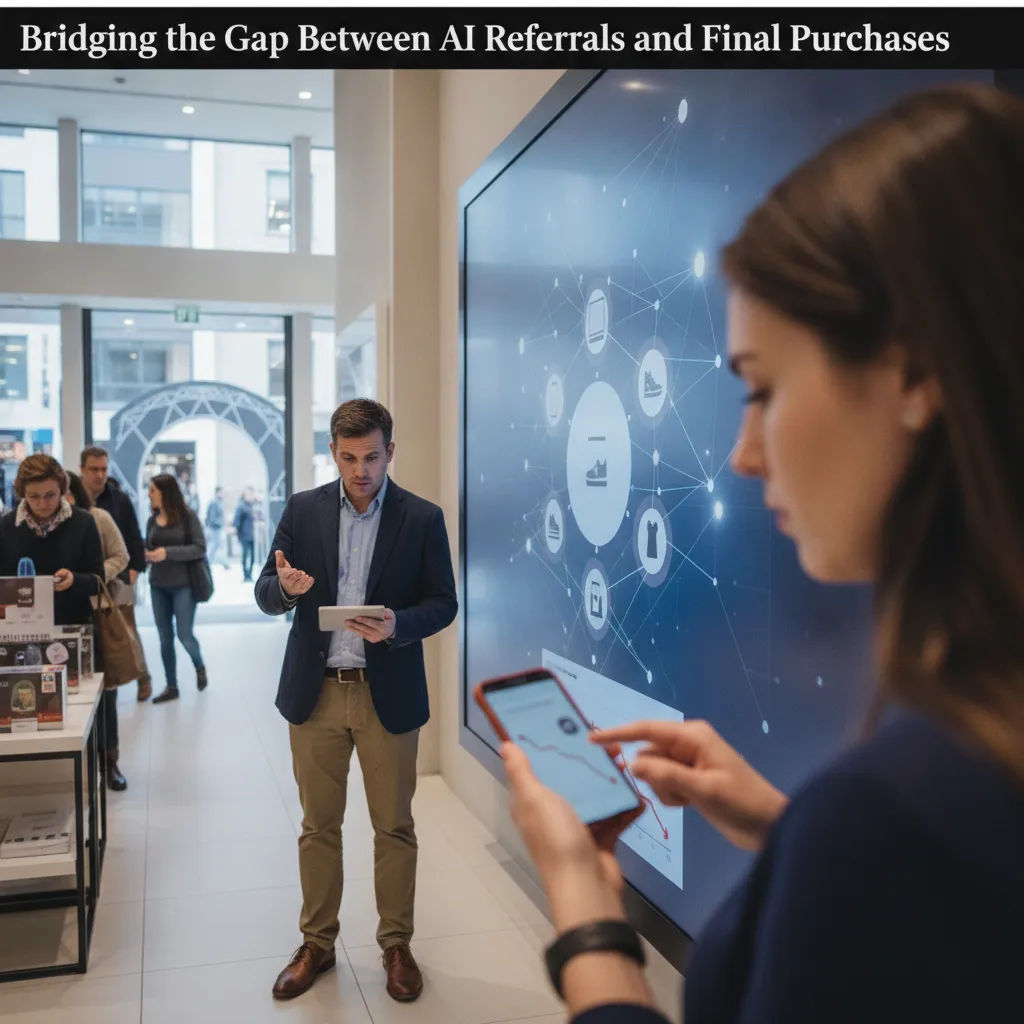
Retailers are increasingly focusing on how they appear within artificial intelligence platforms, but many are struggling to track what happens once a shopper actually clicks through to their store. According to a recent report from PYMNTS Intelligence, over a third of merchants who recognize when a visitor comes from an AI tool lose sight of that customer before any purchase is made. While most companies prioritize being visible to AI agents, there is a significant gap in their ability to attribute actual sales to these digital referrals.
This lack of clarity makes it difficult for executives to decide where to allocate their technology budgets. If a company knows exactly which AI interactions lead to completed orders, they can refine their product descriptions or adjust their marketing strategies with precision. For instance, seeing customers drop off at the checkout stage suggests a problem with the payment process rather than the initial discovery phase. Without this data, businesses are essentially guessing which parts of the agentic commerce ecosystem are providing real value and which are simply driving empty traffic.
The challenge is compounded by the complex nature of modern shopping journeys, where a user might consult multiple assistants before returning directly to a website to buy. However, solving this attribution puzzle remains critical as merchants begin paying commissions and subscription fees to be part of AI ecosystems. By shifting the focus from simple visit counts to measurable commercial outcomes like order value and return rates, retailers can move away from speculative spending and toward a strategy rooted in proven growth.