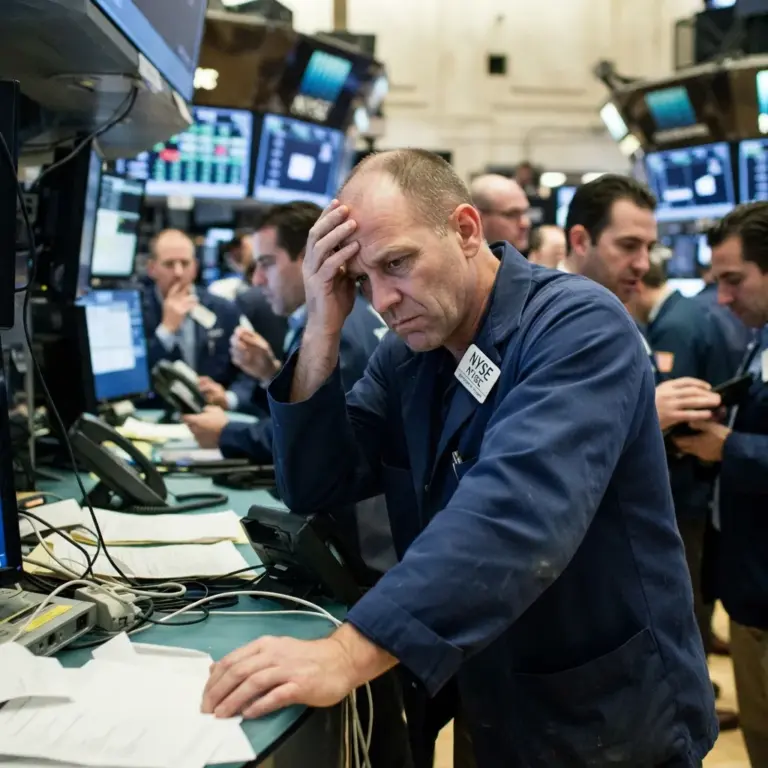

For many investors, watching the red numbers climb on a brokerage screen feels like a crisis, but history suggests it is actually just business as usual. Recent slides in the S&P 500 and the deeper dips seen in the Nasdaq-100 have left some feeling uneasy, yet these fluctuations are far from anomalies. Looking back at the data since 1980, the average intra-year drop for the S&P 500 has hovered around 14 percent. Despite those recurring scares, the index has managed to finish the calendar year in positive territory in more than three quarters of those years.
The tendency for humans to panic during a correction often leads to a costly cycle of selling low and buying high. Many traders exit their positions when things look bleak, intending to jump back in once conditions improve. However, by the time the news feels safe again, the biggest gains of the recovery have typically already happened. By locking in losses through emotional selling, investors frequently underperform the very indices they track, missing out on the inherent upward trajectory of the American stock market.
Ultimately, volatility should be viewed not as a warning sign to flee, but as the price of admission for building long term wealth. Whether it was the massive swings of 2020 or various corrections throughout recent decades, markets have consistently shown an ability to bounce back from significant lows to end years in the green. For those holding diversified funds like an S&P 500 ETF, the most effective strategy is often no strategy at all beyond staying put and letting time do its work.