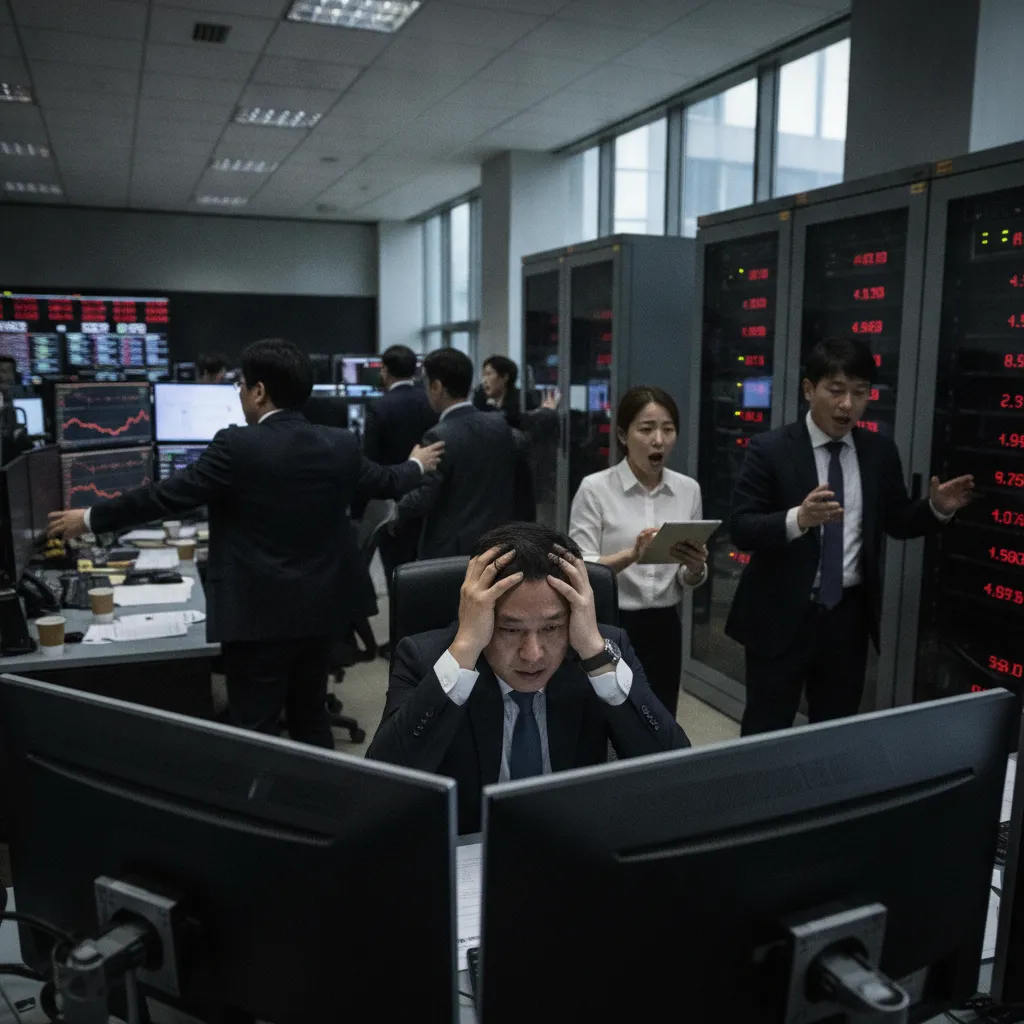
The memory chip sector has faced a brutal correction this week, leaving some of the world’s largest semiconductor firms reeling. In a wave of selling that mirrored broader market instability, SK Hynix saw its valuation plunge by twenty six percent, while Samsung followed closely behind with a twenty two percent drop. Even US based Micron was caught in the slide, losing roughly eleven percent of its value as traders grappled with sudden fears regarding both geopolitical rivalry and long term sustainability.
Much of the immediate panic stems from advances in China, specifically reports that ChangXin Memory Technologies is developing server products using a new architecture designed for higher storage density. The prospect of a Chinese firm capturing significant global market share sent shockwaves through the industry early in the week. While some analysts argue that these breakthroughs may struggle with actual manufacturing yields and fail to impact overall supply, the mere possibility of a competitive shift has spooked shareholders who previously viewed the dominance of the Big Three as secure.
Adding to the anxiety is growing chatter about a potential crash toward the end of the decade. Speculation sparked by South Korean media suggests that by 2029, a flood of new supply could turn the lucrative memory market into a red ocean characterized by plummeting prices and squeezed margins. This sentiment was amplified by Elon Musk, who noted on social media that China will likely be producing massive quantities of RAM by 2028, fueling theories that the current artificial intelligence gold rush is heading toward an inevitable bust.
Despite these warnings, some experts believe we are entering a new normal where the traditional boom and bust cycle is being replaced by stability. They point to long term agreements between suppliers and buyers that include price floors to prevent the catastrophic crashes seen in previous decades. While certain types of memory prices may dip slightly in several years, proponents of this view suggest those levels will still remain vastly higher than they were during pre AI eras, suggesting today’s volatility might be more about investor nerves than structural failure.