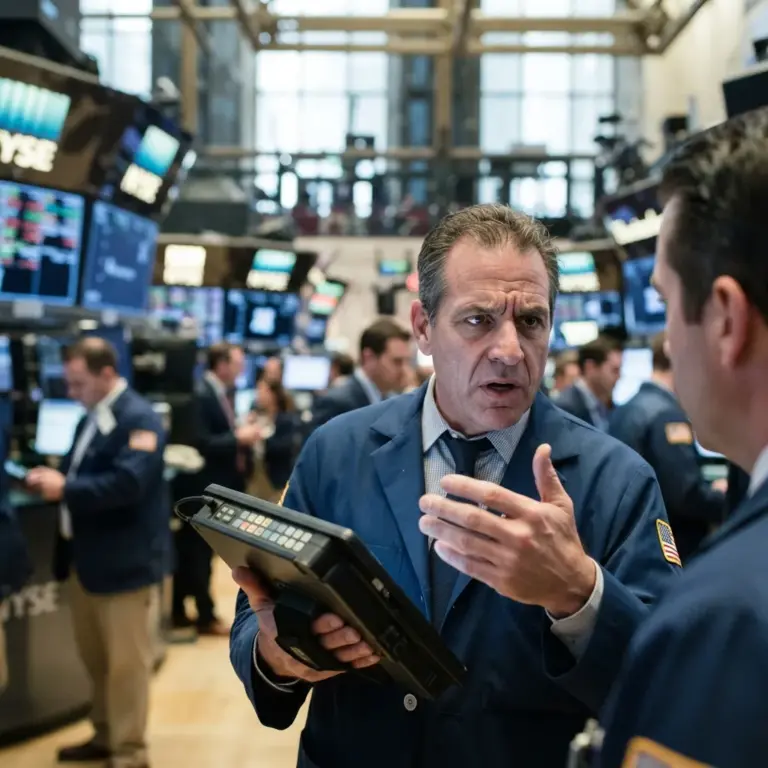
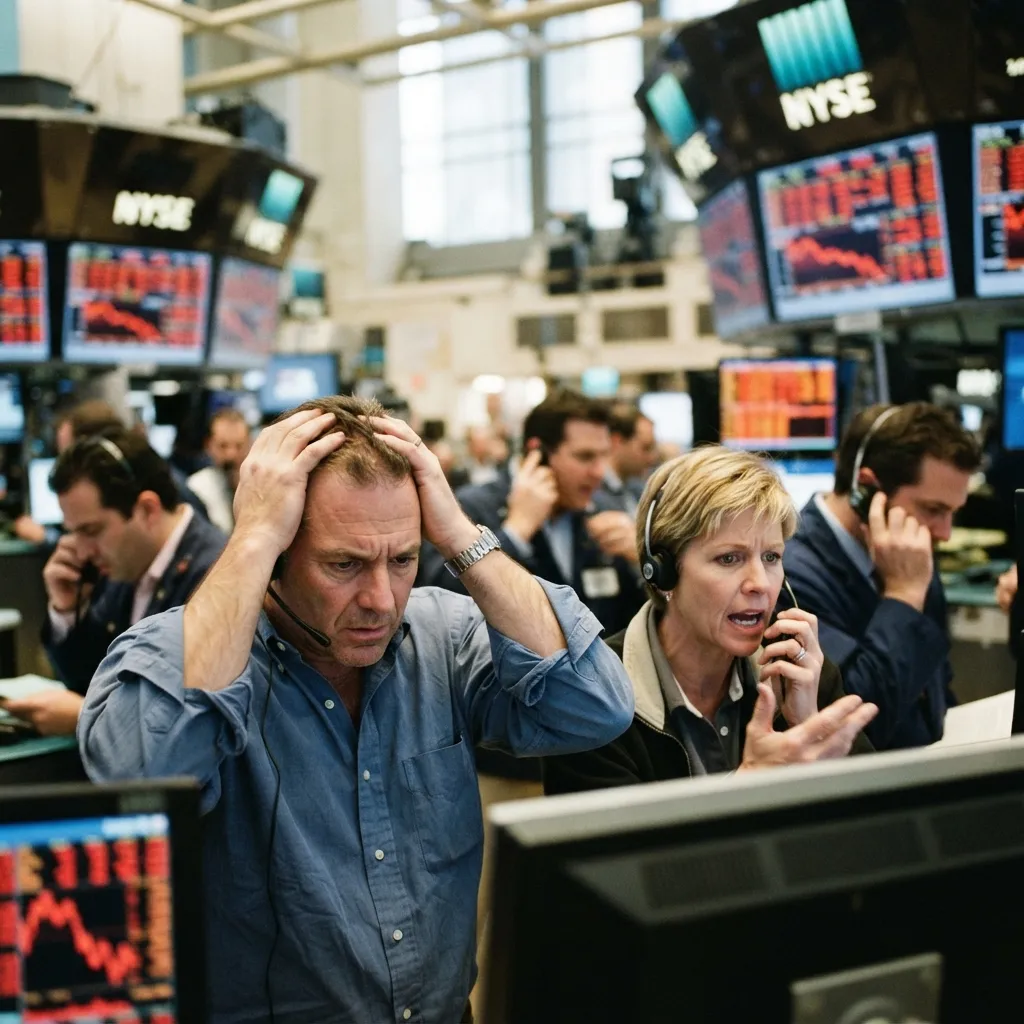
The optimism that carried the stock market through much of 2026 is beginning to evaporate as both the S&P 500 and the Nasdaq Composite slide into correction territory. While early gains were fueled by a wave of excitement over artificial intelligence and robust corporate earnings, recent data suggests a harsher reality is setting in. Investors are now grappling with a precarious combination of accelerating inflation and rising interest rates that threaten to derail current economic momentum.
Recent reports indicate that inflation picked up speed in September, reaching a yearly increase of 3.7 percent. While initial price hikes were largely attributed to President Trump’s tariff policies, the narrative has shifted toward supply chain disruptions in the energy sector. Conflict in Iran has choked off oil shipments from the Middle East, driving up crude prices and transportation costs throughout the economy. With projections showing these pressures bleeding into core goods and services, the Federal Reserve appears poised for further interest rate hikes, which typically squeeze corporate profits and make stocks less attractive compared to bonds.
Adding to the anxiety is a technical warning sign known as the CAPE ratio, which measures stock valuations against ten years of inflation adjusted earnings. For six consecutive months leading through October, this ratio remained above 40, a level of exuberance not seen since the peak of the dot com bubble in late 2000. History paints a grim picture for such valuations; typically, when the market reaches this threshold, it sees an average decline of 19 percent over the following two years.
Some analysts argue that these traditional metrics might be outdated because AI is fundamentally boosting profit margins faster than old models can track. However, many experts warn against ignoring these red flags entirely. As borrowing costs rise and valuations remain stretched by historical standards, there is a growing fear that the current dip could evolve into a full scale bear market. Despite the volatility, seasoned investors often view these drawdowns as potential entry points, noting that while crashes are painful, the broader indices have always eventually recovered.