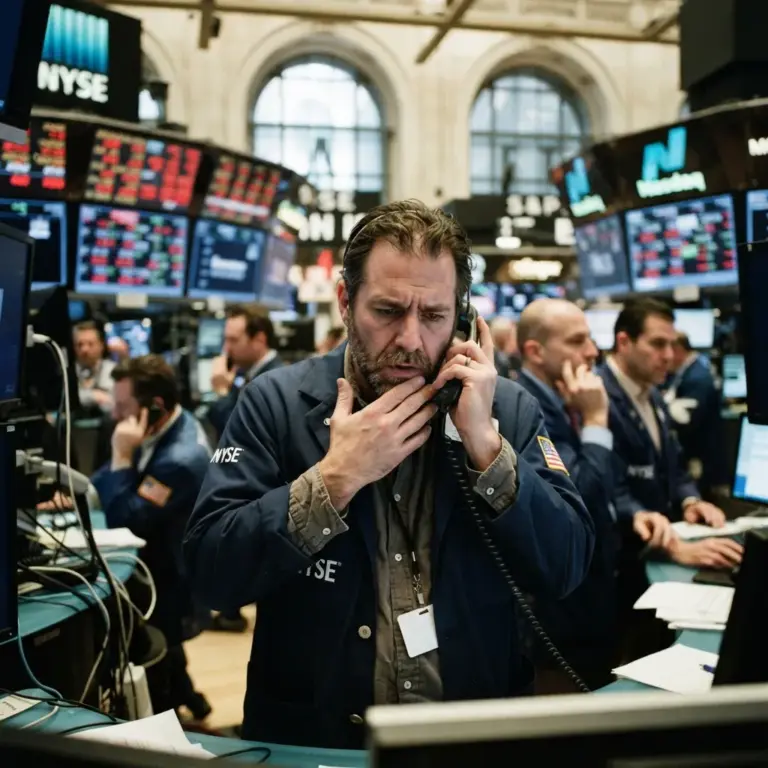

The recent turbulence in the technology sector has left many investors feeling uneasy as the artificial intelligence boom faces a moment of reckoning. Leading the slide is Nvidia, where shares have plummeted thirty five percent from their October peak following the resignation of CEO Jensen Huang amidst controversy involving alleged ties to a foreign spy. This downturn has rippled across the broader market, dragging tech components of the S&P 500 down nearly seventeen percent and reigniting fears that a massive speculative bubble is finally beginning to burst.
Market strategists note that today’s landscape is dangerously top heavy, with just ten companies commanding over a third of the S&P 500. Some analysts compare this concentration to previous historic manias like the railroad expansion or the dotcom crash. However, experts argue that a concentrated market does not automatically equal a bubble unless prices completely detach from actual value. With upcoming IPOs like Anthropic potentially adding even more weight to the AI sector, investors are increasingly questioning whether their portfolios are too reliant on a single technological theme.
For those losing sleep over their exposure, professionals suggest diversifying rather than fleeing the market entirely. Anthony Saglimbene of Ameriprise warns that passive index funds often leave investors accidentally overexposed to tech during crashes. Instead of exiting positions, strategist Dan Lefkovitz recommends shifting toward equal weighted indices or exploring international stocks and small cap domestic companies. By tilting portfolios toward undervalued stocks or dividend paying firms in traditional industries, investors can dampen volatility without missing out on long term growth.
Despite the anxiety, some advisors urge patience and perspective, particularly for younger investors. Jamie Cox of Harris Financial Group suggests that Gen Z traders should view these dips as noise within a larger long term trajectory, noting that time remains their greatest asset. Market veterans remind us that significant pullbacks occur almost annually and are simply part of the cost of doing business in equity markets. Ultimately, while adjusting weights can provide peace of mind, enduring short term discomfort is often necessary to capture the rewards of generational innovation.