
Nvidia is reshaping its investment portfolio, moving away from legacy hardware giants to lean more heavily into the future of aerospace. According to a recent 13F filing with the Securities and Exchange Commission, the chipmaking powerhouse significantly reduced its exposure to both Intel and Nokia during the third quarter. Most notably, Nvidia offloaded roughly twenty five percent of its Intel holdings, shedding over fifty three million shares. This move appears prescient given Intel’s subsequent steep decline in market value, though Nvidia still holds a substantial position in the struggling competitor.
The divestment trend extended beyond Intel, as Nvidia slashed more than half of its stake in Nokia and trimmed nearly ten percent of its position in Synopsys. While some holdings remained untouched, including interests in CoreWeave and Nebius, the overall strategy suggests a pivot toward high growth ventures outside traditional semiconductor manufacturing. These shifts come at a volatile time for the company as it searches for a permanent replacement for former CEO Jensen Huang.
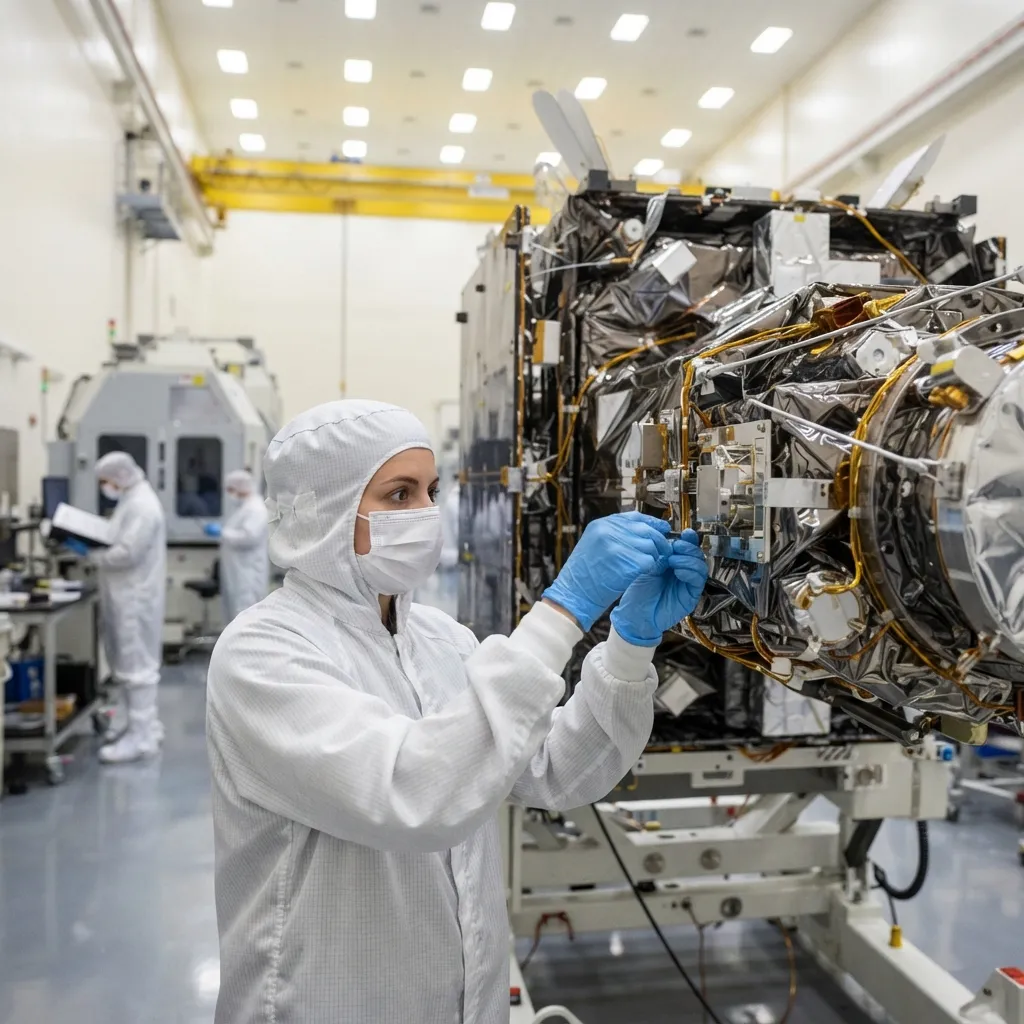
As it exited older tech plays, Nvidia doubled down on Elon Musk’s SpaceX. By increasing its holding by over six percent, Nvidia pushed SpaceX to become its largest single investment, representing over forty percent of its total reported holdings. Valued at nearly twenty billion dollars at the end of September, the space venture has officially eclipsed Intel as the crown jewel of Nvidia’s external portfolio.
These financial maneuvers will likely cast a shadow over Nvidia’s upcoming quarterly earnings report. Because gains and losses from such investments are recorded as other income, analysts will be watching closely to see how Intel’s plummeting stock price affects the bottom line. With interim chief executive Colette Kress leading the charge and a formal search underway for a new leader, all eyes remain on whether this shift in capital reflects a broader change in corporate direction under new management.