
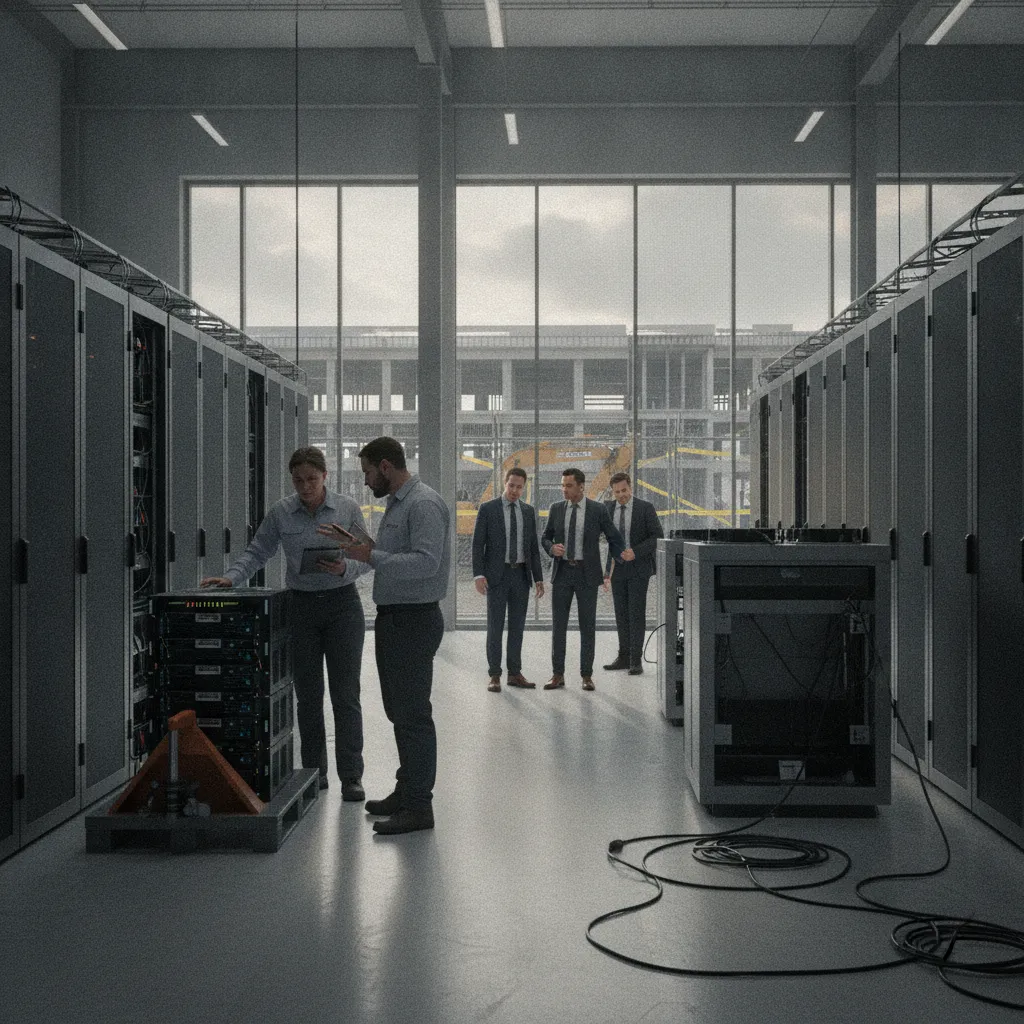
Wall Street experienced a sharp wake-up call this week as the Nasdaq saw significant losses following a decisive victory for Democrats in the US midterm elections. While the tech sector has enjoyed a meteoric rise since the debut of ChatGPT, the newfound Democratic control of Congress has sent ripples of anxiety through the investment community. Many candidates campaigned on platforms that questioned the unchecked expansion of data centers, citing concerns over massive water and electricity consumption that could drive up utility bills for ordinary citizens.
This political pivot comes at a precarious moment for an industry that has seen billions pour into chipmakers and infrastructure providers. For years, investors have bet on almost infinite growth, but the promise of astronomical returns is beginning to clash with grassroots resistance. In states like Texas, newly elected officials have already hinted at potential moratoriums on new data center construction, posing a direct challenge to figures like Elon Musk who have invested heavily in Republican efforts to maintain a pro-industry environment.
Market analysts suggest that while the election results acted as the immediate trigger for the selloff, the foundation for this dip was laid long ago. There has been growing skepticism regarding whether AI can deliver its promised profits quickly enough to justify current valuations, coupled with alarming warnings from researchers about existential risks associated with superintelligence. This combination of regulatory threats and economic doubt suggests that the era of blind optimism may be ending.
Whether this downturn represents a total collapse of an AI bubble or merely a necessary correction remains to be seen. Some experts believe that once the initial panic subsides, investors will gravitate toward companies with stable balance sheets rather than those relying solely on hype. Ultimately, the focus is shifting from theoretical possibilities to tangible regulations and sustainable growth, forcing Silicon Valley to reckon with a government far less inclined to let them operate without oversight.